









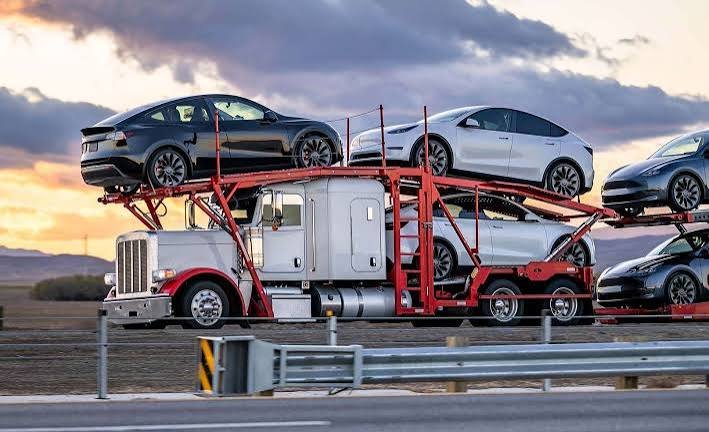
Shipping a car can be a practical solution when you are moving to another state, purchasing a vehicle from a distant seller, relocating for work, or sending a car to a family member. Driving a vehicle across a long distance is not always convenient, especially when you are moving several hundred or thousand miles.
Professional auto transport companies can move vehicles using specialized carriers. However, choosing a suitable service requires some planning. Factors such as distance, vehicle size, transport method, pickup location, delivery location, insurance, timing, and overall cost can affect the experience.
Understanding the process before booking a shipment can help vehicle owners prepare properly and avoid unexpected problems.
What Does Shipping a Car Mean?
Shipping a car means arranging for a professional transportation company to move a vehicle from one location to another.
Depending on the distance and circumstances, a vehicle may be transported on an open carrier, enclosed carrier, or another specialized vehicle transport system.
Auto transport is different from driving the vehicle yourself because the car is loaded onto a carrier and transported by a professional driver.
Car shipping can be useful for:
- Moving to a new state
- Buying a car from another location
- Selling a vehicle to an out-of-state buyer
- Relocating for work or school
- Transporting a classic or specialty vehicle
- Moving multiple household vehicles
- Sending a vehicle to a family member
How Does Car Shipping Work?
The process is generally straightforward, although exact procedures vary between transportation companies.
1. Request a Quote
The first step is usually obtaining a shipping quote. The company will ask for information such as the vehicle’s make and model, pickup location, destination, preferred dates, and transportation method.
Providing accurate information is important because the final price can depend on the details of the shipment.
2. Choose a Transport Method
Customers typically choose between open and enclosed transportation.
Open transport is generally more widely available and is often less expensive. Enclosed transport provides additional protection from weather and road conditions and is commonly considered for valuable, classic, luxury, or specialty vehicles.
3. Schedule Pickup
After selecting a company and agreeing to the terms, the vehicle pickup is scheduled.
The carrier may collect the car from a residential address, dealership, business, or another agreed location.
4. Vehicle Inspection
Before loading the vehicle, the driver generally inspects its exterior condition.
Existing scratches, dents, or other visible damage may be documented. Taking your own photographs before pickup is also a useful precaution.
5. Vehicle Transportation
The car is loaded onto the carrier and transported toward the destination.
During transportation, delivery times can be affected by traffic, weather, road conditions, distance, and the carrier’s route.
6. Delivery Inspection
When the vehicle arrives, the owner or recipient should inspect it before completing the delivery process.
Compare the vehicle with the photographs and condition information recorded before transportation. If anything appears different, document it and follow the carrier’s claims procedure.
Open vs. Enclosed Car Shipping
One of the most important decisions is choosing the type of carrier.
Open Car Transport
Open carriers are commonly used for vehicle transportation. Cars are transported on an open trailer where they are exposed to normal outdoor conditions.
Advantages can include:
- Usually lower cost
- Wider availability
- More frequent routes
- Suitable for many everyday vehicles
The main consideration is that the vehicle is exposed to weather and road debris during transportation.
Enclosed Car Transport
Enclosed carriers transport vehicles inside a covered trailer.
This option can provide additional protection from weather and road conditions. It may be suitable for classic cars, collector vehicles, luxury vehicles, or other cars where additional protection is important.
The service generally costs more than standard open transport.
How Much Does It Cost to Ship a Car?
There is no single price for car shipping because costs vary according to the shipment.
Factors that can influence the price include:
- Distance
- Vehicle size and weight
- Pickup and delivery locations
- Open or enclosed transportation
- Time of year
- Delivery speed
- Fuel prices
- Vehicle operability
- Route availability
Longer distances generally require more transportation resources, while larger vehicles can require additional carrier space.
Customers should compare quotes carefully rather than automatically choosing the cheapest option.
What Information Is Needed for a Quote?
A car shipping company may request several details before providing a quote.
These can include:
- Pickup ZIP code
- Delivery ZIP code
- Vehicle year
- Vehicle make
- Vehicle model
- Vehicle condition
- Desired shipping dates
- Transport type
- Contact information
Being accurate is important because changing important details after booking may affect the final price or availability.
Preparing Your Car for Shipping
Preparing the vehicle before pickup can make the process easier.
Remove Personal Belongings
Remove personal items from the vehicle unless the carrier specifically permits them.
Personal belongings may not be covered by the transport company’s cargo insurance, and loose items can move around during transportation.
Clean the Vehicle
Washing the exterior can make it easier to identify scratches, dents, and other existing marks during the inspection.
Take Photographs
Take clear photographs of the vehicle from multiple angles before handing it over.
Photographs can provide useful documentation of the vehicle’s condition at pickup.
Check for Leaks
Check underneath the vehicle for obvious fluid leaks. If there is a mechanical issue, tell the transport company in advance.
Keep the Fuel Level Appropriate
Many carriers recommend keeping only a small amount of fuel in the tank rather than filling it completely. Follow the specific instructions provided by the transport company.
What About Non-Running Cars?
Not every vehicle being shipped is fully operational.
A car that cannot start, move, or brake normally may require special loading equipment or additional arrangements.
If the vehicle does not run, tell the transport company before booking. This allows the carrier to determine whether special equipment is needed and whether an additional fee applies.
Insurance and Car Shipping
Insurance is an important consideration when choosing an auto transport company.
Ask the company what type of coverage applies while your vehicle is being transported. Request information about coverage limits, exclusions, and the process for reporting damage.
You should also keep your own vehicle insurance information available and understand how your existing policy applies during transportation.
Never assume that every type of damage is automatically covered.
How Long Does Shipping a Car Take?
Delivery times vary depending on the distance, route, weather, traffic, carrier availability, and pickup and delivery locations.
A short regional shipment may take significantly less time than a cross-country shipment.
Instead of relying on an exact delivery date, customers should ask the transport company for an estimated pickup and delivery window.
If the vehicle is needed by a specific date, it is wise to plan the shipment well in advance.
Choosing a Car Shipping Company
Selecting the right transportation company is one of the most important parts of the process.
Before booking, consider:
Reputation
Look for information about the company’s history and customer experiences. Reviews can provide useful insights, although they should not be the only factor in your decision.
Insurance Information
Ask for clear information about the company’s insurance coverage.
Communication
A reliable company should provide clear information about pricing, pickup, delivery, and communication during transportation.
Written Agreement
Review the terms of service before agreeing to the shipment. Make sure you understand the price and what services are included.
Broker vs. Auto Transport Carrier
Customers may encounter both auto transport brokers and carriers.
A broker generally helps arrange transportation by connecting customers with carriers. A carrier is the company that actually operates the transportation equipment and moves the vehicle.
Using a broker is not automatically a problem, but customers should understand who they are dealing with and how the booking process works.
Ask whether the company is a broker or carrier and what role it will play in arranging transportation.
Door-to-Door vs. Terminal Shipping
Some companies offer door-to-door transportation, while others may use designated terminals.
Door-to-Door Transport
The carrier picks up and delivers the vehicle as close as practical to the requested addresses.
However, large transport trucks may not be able to access narrow residential streets or areas with restrictions. In those cases, the driver may arrange a nearby meeting location.
Terminal Shipping
The vehicle is dropped off at a designated facility and collected from another terminal.
This can sometimes provide flexibility, but availability and convenience depend on the locations involved.
Common Mistakes to Avoid
Choosing Only Based on Price
The lowest quote may not always represent the best value. Consider insurance, reputation, communication, and the terms of service as well.
Not Checking the Contract
Read the agreement carefully before booking. Make sure you understand cancellation policies, fees, delivery arrangements, and other important conditions.
Leaving Personal Items in the Vehicle
Personal belongings may not be covered by the transport company’s insurance and can create problems during transportation.
Failing to Document Vehicle Condition
Photographs taken before pickup provide useful documentation if there is a disagreement about the vehicle’s condition.
Waiting Until the Last Minute
Limited carrier availability can make last-minute shipping more difficult or expensive. Planning early can provide more options.
Frequently Asked Questions
How much does it cost to ship a car?
The price depends on factors such as distance, vehicle size, transport type, route, timing, and whether the vehicle is operational. Getting several quotes can help you understand the market price.
Is open car transport safe?
Open transport is widely used for everyday vehicles. However, the vehicle is exposed to normal outdoor weather and road conditions during transportation.
Is enclosed transport worth it?
Enclosed transport can be useful for valuable, classic, luxury, or specialty vehicles because it provides additional protection from outdoor conditions.
Can I ship a car that does not run?
Yes, some carriers can transport non-running vehicles, but special equipment may be required. Always disclose the vehicle’s condition when requesting a quote.
How should I prepare my car for shipping?
Remove personal belongings, clean the vehicle, document its condition with photographs, check for leaks, and follow the transport company’s preparation instructions.
Conclusion
Shipping a car can make long-distance vehicle transportation much easier than driving the vehicle yourself. From obtaining quotes and choosing a carrier to preparing the vehicle and inspecting it at delivery, each stage plays an important role in a successful shipment.
The best approach is to compare reputable transportation options, understand the difference between open and enclosed carriers, review insurance information, document the vehicle’s condition, and carefully read the shipping agreement.
By planning ahead and providing accurate information about the vehicle and route, car owners can make the transportation process more organized and reduce the chances of unexpected issues.