







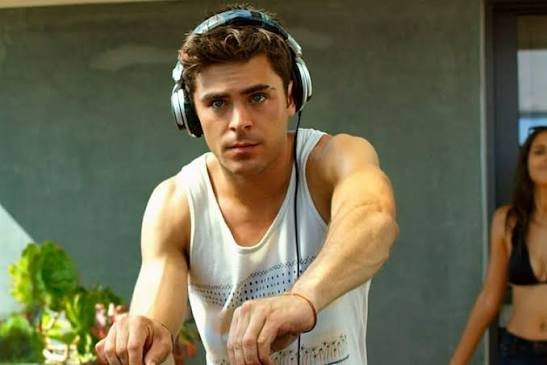
The Prada Zac Efron story became a viral internet moment after images of actor Zac Efron appeared online wearing a cream-colored suit in what looked like a new Prada fashion campaign. The images quickly attracted attention because Efron’s appearance looked noticeably different, leading many social media users to question whether Prada had really chosen him for a new campaign.
However, the story had an important twist. The images were AI-generated and part of a parody, rather than an official Prada advertisement featuring Zac Efron. Reports published in September 2025 explained that the images originated from a social media page known for celebrity parodies and entertainment content.
Was Zac Efron Really in a Prada Campaign?
No. The viral images were not an official Prada campaign.
The posts made it appear as though Zac Efron and Prada had collaborated on a disco-inspired collection called a “Saturday Night Fever” line. The concept looked believable enough that many people initially assumed the images were genuine.
However, reports later identified the pictures as AI-generated. Prada had not announced such a collaboration, and the images were not part of an official Prada advertising campaign.
Why Did the Prada Zac Efron Images Go Viral?
One reason the images attracted so much attention was Zac Efron’s dramatically altered appearance.
In the pictures, Efron appeared with a very deep tan, fuller-looking lips and a noticeably different facial appearance. He was shown wearing a light-colored suit while posing in a style inspired by the disco era.
Because Prada is a major luxury fashion brand and Efron is a well-known Hollywood actor, the combination seemed believable at first glance.
The images also appeared during a period when social media users were already frequently discussing changes in Efron’s appearance. This helped the fake campaign attract even more attention.
Who Created the Fake Prada Images?
Reports traced the viral images back to a Facebook page called The Celeb Talk Girl.
The page describes its content as pop-culture entertainment, celebrity commentary and parody. Its description also warns viewers not to take its content too seriously.
Despite that context, the images were shared beyond their original post and reached people who did not necessarily see the original parody context.
That helped create confusion over whether Prada and Zac Efron had actually worked together.
Was the Zac Efron Prada Ad AI-Generated?
Yes. The images were reported as AI-generated.
This is one of the most interesting parts of the story because the pictures were realistic enough to convince some social media users that they were looking at an authentic celebrity fashion campaign.
The incident shows how easily AI-generated celebrity images can travel online without their original context.
A person seeing the image as a repost might not know that it originally came from a parody account. Once the picture spreads across different platforms, it can become difficult to identify where it came from or whether it represents a real event.
What Did People Think About Zac Efron’s Appearance?
The reaction was mixed.
Some social media users believed the images were real and reacted strongly to Efron’s appearance. Others quickly recognized that the pictures were manipulated or AI-generated.
The unusual facial features became one of the main reasons people started questioning the authenticity of the campaign.
Rather than simply discussing Prada fashion, online conversations quickly shifted toward whether Efron had changed his appearance through cosmetic procedures.
However, the viral images themselves cannot establish that conclusion because they were not authentic photographs of Efron in a Prada campaign.
Zac Efron’s Real Appearance and Past Facial Injury
The Prada AI story also brought renewed attention to previous discussions about Zac Efron’s face.
Efron previously faced online speculation about cosmetic surgery after his jawline looked different in photographs.
In a 2022 interview, he explained that the change was connected to a serious jaw injury he suffered after falling at his home. He said his jaw was shattered and that, during recovery and physical therapy, the masseter muscles in his face became significantly larger.
Therefore, it is important to separate Efron’s real statements about his injury from speculation based on edited or AI-generated photographs.
Prada’s Real Campaigns
Prada is one of the world’s best-known luxury fashion houses and regularly publishes official campaigns through its own platforms.
Prada’s official Pradasphere campaign archive lists its fashion campaigns and projects. The archive includes campaigns from 2025 and 2026, but the viral Zac Efron images were not presented as an official Prada collaboration there.
This provides another useful way to check viral fashion claims: when a supposed major brand campaign becomes popular online, people can compare the claim with the brand’s official website and campaign announcements.
Why AI Celebrity Images Can Be Misleading
The Prada Zac Efron incident is an example of a broader problem involving AI-generated images.
Modern image-generation technology can create photographs that look surprisingly realistic. When a famous actor, singer or athlete is placed into a familiar advertising environment, viewers may initially assume the picture is authentic.
The problem becomes greater when the image is reposted without its original caption.
For example, someone might see a picture of Zac Efron wearing Prada on one social platform and then encounter the same picture somewhere else without the original parody label. The second viewer may have no easy way to know that the original image was AI-generated.
This is why checking the original source is important when a celebrity advertisement suddenly appears online.
How to Tell If a Celebrity Campaign Is Real
There are several simple ways to check a viral celebrity campaign.
First, look for the campaign on the brand’s official website. Major fashion houses usually publish significant campaigns through their official channels.
Second, check reputable entertainment and fashion publications. A major collaboration involving a celebrity and a luxury fashion brand would normally receive coverage from multiple established outlets.
Third, look at the original social media post rather than relying on reposts. The original caption may reveal whether the content is parody, satire or AI-generated.
Finally, examine unusual visual details carefully. AI-generated images can sometimes contain strange facial features, clothing details, hands, text or proportions.
The Prada Zac Efron story demonstrates why these checks matter.
Prada Zac Efron: What Is Actually Confirmed?
The confirmed facts are relatively simple.
Zac Efron was shown in viral images that appeared to advertise Prada. The images circulated widely on social media in September 2025.
However, reports identified the images as AI-generated and connected them to a parody social media account. Prada had not announced the supposed Zac Efron collaboration.
The images therefore should not be used as evidence that Zac Efron actually participated in a Prada campaign.
Frequently Asked Questions
Did Zac Efron do a Prada campaign?
The viral images did not represent an official Prada campaign. They were reported as AI-generated parody images.
Is the Prada Zac Efron photo real?
No. The viral photographs were AI-generated rather than authentic photographs from a Prada campaign.
Did Prada announce Zac Efron as a model?
No official Prada announcement supporting the viral claim was found in the reporting about the incident, and Prada’s campaign archive does not list the viral collaboration.
Why did people think the photos were real?
The images were designed to look like a professional luxury-fashion campaign. Once they were reposted without their original parody context, some viewers interpreted them as genuine.
What happened to Zac Efron’s face?
Efron has previously explained that changes to his jawline were connected to a serious jaw injury and subsequent recovery and physical therapy.
Final Thoughts
The Prada Zac Efron story is a good example of how quickly AI-generated celebrity content can become part of internet culture.
The viral pictures looked like a major Prada campaign, but they were actually AI-generated parody images. The original context was lost as the pictures spread across social media, causing many people to believe that Zac Efron had really appeared in a new Prada advertisement.
For readers, the biggest lesson is to check the original source before accepting a viral celebrity image as real. In this case, the official Prada campaign archive and reporting about the original post help separate the fictional campaign from genuine Zac Efron news.