








Choosing the right footwear is especially important for women living with diabetes because foot comfort and protection should be considered when selecting everyday shoes. Diabetic shoes for women are designed with features intended to reduce pressure, rubbing, and irritation while providing a comfortable fit.
Diabetes can sometimes affect sensation in the feet, meaning a person may not notice a small injury as quickly. The CDC recommends wearing shoes that fit well, keeping feet protected, and checking the feet regularly. (CDC Stacks)
This guide explains what diabetic shoes are, which features to look for, how to find a suitable fit, and when specialized footwear may be appropriate.
What Are Diabetic Shoes?
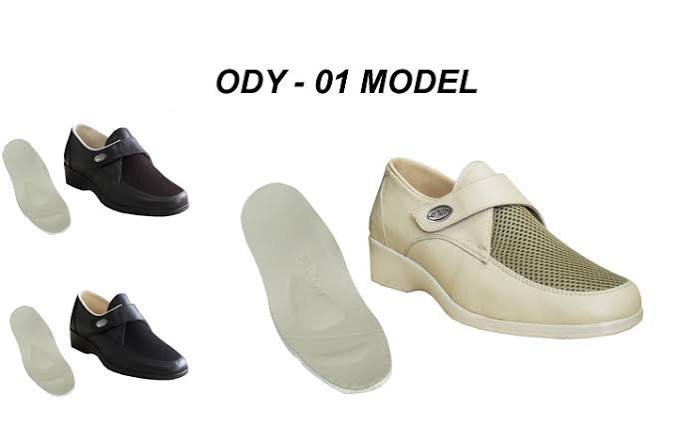
Diabetic shoes, sometimes called therapeutic shoes, are footwear designed with foot protection and comfort in mind. They may have extra depth, removable insoles, wider toe areas, and materials intended to reduce pressure points.
Some therapeutic shoes are custom-made for an individual’s feet. Others are commercially available shoes designed with features that can make them more suitable for people who need additional foot protection.
Not every woman with diabetes necessarily needs specialized therapeutic shoes. The appropriate footwear depends on individual foot health and medical needs.
Why Proper Shoes Matter for Diabetes
Foot care is an important part of diabetes management. Reduced sensation can make it harder to notice cuts, blisters, pressure areas, or other injuries.
The CDC recommends that people with diabetes check their feet regularly and wear shoes that fit well and protect the feet. (CDC Stacks)
Footwear that is too tight, too narrow, or poorly fitted can create unnecessary pressure and friction.
Important Features of Diabetic Shoes for Women
Wide Toe Box
A roomy toe box allows the toes to sit naturally rather than being squeezed together.
Shoes with pointed toes can create pressure around the toes, so a broader shape may be more comfortable.
Extra Depth
Extra-depth footwear provides additional room for the feet and may accommodate removable insoles or orthotic inserts.
Soft Interior
A smooth interior can help reduce rubbing and irritation. The CDC recommends checking the inside of shoes for rough areas, loose objects, damaged lining, or other things that could injure the feet. (CDC Stacks)
Adjustable Closures
Laces, Velcro-style fasteners, and adjustable straps can make it easier to achieve a secure fit.
The CDC specifically notes that adjustable features such as laces, buckles, and Velcro can make footwear easier to adjust. (CDC Stacks)
Supportive Sole
A supportive sole can provide stability and help distribute pressure while walking.
Breathable Materials
Materials that allow airflow can help keep feet more comfortable. The CDC has recommended materials such as leather or canvas rather than plastic footwear for people with diabetes. (CDC Stacks)
How Should Diabetic Shoes Fit?
Fit is one of the most important considerations when choosing footwear.
A suitable shoe should feel comfortable when you first put it on. People should not rely on the idea that a shoe will eventually “stretch out” and become comfortable.
The CDC advises that new shoes should be comfortable when purchased and recommends gradually breaking them in by wearing them for short periods initially. (CDC Stacks)
Women should also make sure there is enough room around the toes and that the heel does not slide excessively.
Diabetic Shoes for Different Activities
Different situations may require different types of footwear.
Walking Shoes
Walking shoes can be useful for everyday activities because they are generally designed for movement and support.
Look for a comfortable fit, sufficient toe room, and a smooth interior.
Casual Shoes
Women who need footwear for everyday activities may prefer comfortable casual shoes with adjustable closures and supportive construction.
Work Shoes
For women who spend many hours standing or walking at work, comfort and proper fit are particularly important.
The shoe should provide adequate protection without creating pressure points.
Boots
During colder weather, boots can provide protection from the elements. However, they should still provide enough room and should not squeeze the toes.
Athletic Shoes
Athletic or walking shoes can be suitable for some women because they commonly provide cushioning and support. The CDC recommends well-fitting athletic or walking shoes that cover and protect the feet. (CDC Stacks)
Custom vs. Ready-Made Diabetic Shoes
There are two broad categories of therapeutic footwear: commercially available shoes and custom-made footwear.
Ready-Made Shoes
These are manufactured in standard sizes and may include features such as extra depth, removable insoles, and wider designs.
They can be suitable for people who need additional room or comfort but do not require a fully customized shoe.
Custom-Molded Shoes
Custom shoes are made around an individual’s foot shape.
The Medicare therapeutic-shoe benefit, for example, recognizes both custom-molded shoes and depth shoes for eligible people with diabetes under specific medical and coverage requirements. (CDC)
Whether custom footwear is appropriate should be determined with a qualified healthcare professional.
How to Shop for Diabetic Shoes
When shopping for women’s diabetic shoes, consider more than appearance.
Measure Your Feet
Foot size can change over time, and one foot may be slightly different from the other. Have both feet measured when possible.
Shop for Comfort
The shoe should feel comfortable immediately. Avoid footwear that creates obvious pressure or rubbing.
Check the Toe Area
Make sure your toes have enough room to move naturally.
Inspect the Inside
Run your hand around the inside of the shoe to check for rough seams, sharp objects, or damaged lining.
Try Shoes With Your Usual Socks
If you normally wear socks with your shoes, try footwear while wearing the same type of socks.
Caring for Your Feet
Good footwear works best when combined with regular foot care.
The CDC recommends checking the feet for problems such as cuts, redness, swelling, sores, blisters, corns, and calluses. It also recommends avoiding walking barefoot and wearing shoes with socks. (CDC Stacks)
If you notice an unusual foot problem, particularly a wound, swelling, redness, or signs of infection, seek medical advice promptly.
Common Mistakes to Avoid
Choosing Style Over Fit
A fashionable shoe is not a good choice if it creates pressure or discomfort.
Wearing Shoes That Are Too Tight
Tight shoes can create pressure and rubbing.
Walking Barefoot
The CDC recommends protecting diabetic feet and avoiding barefoot walking, including indoors. (CDC Stacks)
Ignoring Small Foot Problems
Because sensation may be reduced in some people with diabetes, a small injury may not be immediately noticeable. Regular foot checks can help identify problems earlier.
Buying Without Trying
Whenever possible, try shoes on and walk around briefly to evaluate their comfort and fit.
Frequently Asked Questions
What are the best diabetic shoes for women?
There is no single best shoe for every woman. A good option should fit properly, provide adequate room for the toes, feel comfortable, and protect the feet.
Do diabetic shoes need to be specially prescribed?
Not always. Some therapeutic footwear is commercially available, while custom therapeutic shoes may require professional assessment and, in certain healthcare systems, specific medical documentation.
Can women with diabetes wear normal shoes?
Many women with diabetes can wear ordinary well-fitting shoes. The important consideration is whether the footwear comfortably protects the feet and avoids pressure or rubbing.
Are wide shoes better for diabetes?
A wider toe area can be helpful when it provides sufficient room without allowing the foot to move excessively inside the shoe. The correct width depends on the individual’s feet.
How often should diabetic shoes be replaced?
There is no universal replacement schedule. Shoes should be inspected regularly for worn soles, damaged interiors, loss of support, or changes in fit.
Conclusion
Diabetic shoes for women should prioritize comfort, protection, proper fit, and adequate space around the toes. Features such as a roomy toe box, extra depth, smooth interiors, adjustable closures, and supportive soles can make footwear more comfortable for people who need additional foot protection.
However, specialized footwear is not identical for everyone. Women with diabetes who have reduced sensation, previous foot problems, ulcers, deformities, or other concerns should discuss appropriate footwear with a healthcare professional.
Most importantly, well-fitting shoes should be combined with regular foot checks and good foot-care habits. The CDC recommends protecting the feet, avoiding barefoot walking, wearing properly fitting shoes, and seeking professional care when concerning foot changes appear. (CDC Stacks)