








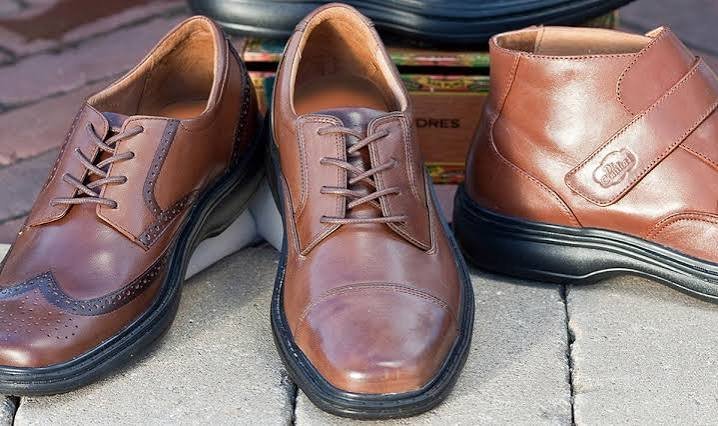
Choosing comfortable and protective footwear is important for men living with diabetes. Diabetic shoes for men, also called therapeutic shoes, are designed with features that can help reduce pressure, friction, and irritation while providing adequate support.
Diabetes can sometimes affect sensation in the feet, making it harder to notice small injuries. The CDC recommends wearing properly fitting shoes that protect the feet and checking the feet regularly.
Whether someone needs specialized diabetic footwear depends on their individual foot health. Understanding the available features can help men make more informed footwear choices.
What Are Diabetic Shoes?
Diabetic shoes are footwear designed with foot protection and comfort in mind. They may include features such as:
- Extra depth
- A wider toe box
- Removable insoles
- Adjustable closures
- Cushioned interiors
- Supportive soles
- Smooth interior materials
Some therapeutic shoes are commercially available, while others are custom-made for an individual’s feet.
Not every man with diabetes needs prescription or custom footwear. A healthcare professional can help determine whether specialized shoes are appropriate.
Why Proper Footwear Matters
Foot care is particularly important for people with diabetes. Some people with diabetes may experience reduced sensation in their feet, which can make it difficult to notice blisters, pressure points, cuts, or other problems.
Poorly fitting footwear can create additional pressure or rubbing. Choosing shoes that fit properly can help reduce these issues.
The CDC recommends checking the feet regularly and wearing shoes that fit well and protect them.
Features to Look for in Men’s Diabetic Shoes
Wide Toe Box
A wide toe box gives the toes enough room to sit naturally. Shoes that squeeze the toes may create unnecessary pressure.
A roomy design can be particularly useful for men who need additional space around the front of the foot.
Extra Depth
Extra-depth shoes provide additional room inside the shoe. This can be useful when a person needs removable insoles, orthotics, or additional space around the foot.
Smooth Interior
The inside of the shoe should be free from rough seams, sharp edges, or other features that could rub against the skin.
Before wearing a new pair, inspect the inside carefully.
Adjustable Closures
Laces, adjustable straps, and hook-and-loop closures can make it easier to achieve a secure and comfortable fit.
Adjustability can also be helpful when foot size changes slightly during the day.
Supportive Sole
A supportive sole can provide stability while walking and may help distribute pressure across the foot.
Breathable Materials
Breathable materials can help keep feet more comfortable. The CDC recommends suitable footwear materials and emphasizes keeping feet protected and comfortable.
Different Types of Diabetic Shoes for Men
Walking Shoes
Walking shoes are popular for everyday use because they are generally designed for movement and comfort.
Look for a supportive sole, sufficient toe room, and a secure fit.
Athletic Shoes
Athletic shoes can be useful for men who regularly walk or participate in appropriate physical activities.
A comfortable athletic shoe should provide adequate room and should not create pressure points.
Casual Shoes
Casual diabetic-friendly shoes can be useful for everyday activities, shopping, social occasions, and general use.
Many designs are available that prioritize comfort without looking like traditional medical footwear.
Work Shoes
Men who spend many hours standing or walking may need particularly comfortable footwear.
Work shoes should provide appropriate protection for the workplace while still offering sufficient room and support.
Boots
Boots can provide additional protection during cold or wet weather. However, they should not be excessively tight around the toes or foot.
How Should Diabetic Shoes Fit?
Proper fit is one of the most important factors when choosing diabetic footwear.
A shoe should feel comfortable when you first try it. You should not have to wait for the shoe to “break in” if it is causing significant pressure or discomfort.
The CDC recommends that new shoes should be comfortable when purchased and suggests gradually increasing the amount of time they are worn when breaking them in.
There should be enough room for the toes to move naturally, while the heel should remain reasonably secure.
Custom vs. Ready-Made Shoes
Ready-Made Diabetic Shoes
Commercially available therapeutic shoes may include extra depth, removable insoles, and wider designs.
They can be appropriate for people who need additional comfort and space but do not require customized footwear.
Custom Diabetic Shoes
Custom shoes are designed around the individual’s foot shape and specific needs.
For men with significant foot problems, deformities, or other complications, a healthcare professional may recommend custom therapeutic footwear.
For example, Medicare has specific coverage rules for therapeutic shoes and inserts for eligible people with diabetes.
How to Choose the Right Size
Size is not the only consideration when buying diabetic shoes.
Measure Both Feet
Feet can differ slightly in length and width, so measuring both can help identify the appropriate size.
Try Shoes With Your Regular Socks
If you normally wear socks with your shoes, try the shoes while wearing them.
Walk Around
Walk around briefly to determine whether the shoes create pressure, slipping, or rubbing.
Check the Toe Area
Make sure the toes have enough room and are not being pressed against the front or sides of the shoe.
Preparing to Wear New Shoes
New footwear should be introduced gradually.
Instead of wearing a new pair for an entire day immediately, start with shorter periods and check your feet afterward.
Look for areas of redness, rubbing, blisters, or discomfort.
If a shoe repeatedly creates a problem, stop wearing it and consider a different size or design.
Foot Care for Men With Diabetes
Choosing appropriate shoes is only one part of good foot care.
Regularly check your feet for:
- Cuts
- Blisters
- Redness
- Swelling
- Sores
- Changes in skin condition
- Areas of irritation
The CDC recommends checking feet every day and avoiding walking barefoot.
If you notice a wound or another concerning change, speak with a healthcare professional.
Common Mistakes to Avoid
Buying Shoes That Are Too Tight
A shoe should not squeeze the toes or create uncomfortable pressure.
Ignoring Interior Seams
A rough seam or damaged lining can rub against the skin.
Choosing Only by Appearance
Style is important to many people, but comfort and protection should come first when selecting therapeutic footwear.
Wearing New Shoes for Too Long
Gradually increasing wear time can make it easier to identify potential pressure points.
Walking Barefoot
People with diabetes should take precautions to protect their feet and avoid unnecessary injuries.
Frequently Asked Questions
What are diabetic shoes for men?
They are shoes designed with features intended to improve comfort and protect the feet, such as extra depth, wider toe areas, smooth interiors, and adjustable closures.
Can men with diabetes wear regular shoes?
Many men with diabetes can wear ordinary shoes as long as they fit properly and protect the feet. Those with specific foot complications may need specialized therapeutic footwear.
Are wide shoes better for diabetic feet?
A wider toe area can provide useful space, but the shoe should still fit securely. The ideal width depends on the individual’s foot shape.
Do diabetic shoes require a prescription?
Some therapeutic shoes are available without a prescription, while custom or medically indicated footwear may require professional assessment depending on the individual’s needs and healthcare system.
How often should diabetic shoes be replaced?
There is no universal replacement period. Inspect shoes regularly and consider replacement when the soles, cushioning, support, or interior become significantly worn or damaged.
Conclusion
Diabetic shoes for men can provide additional comfort and protection when they are properly designed and correctly fitted. Features such as extra depth, a roomy toe box, smooth interiors, adjustable closures, and supportive soles can be useful for men who need additional foot-care considerations.
However, the right footwear depends on each person’s feet and health needs. Men with reduced sensation, previous foot problems, deformities, or other complications should discuss footwear choices with a healthcare professional.
Most importantly, good footwear should be combined with regular foot checks and appropriate foot-care habits. Properly fitting shoes can help protect the feet and make everyday walking more comfortable.