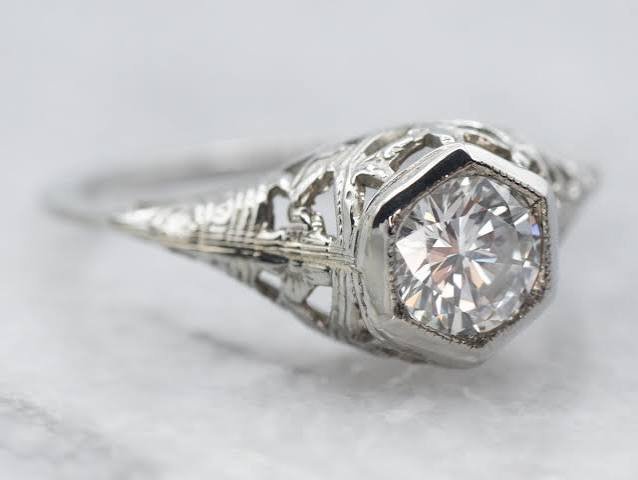









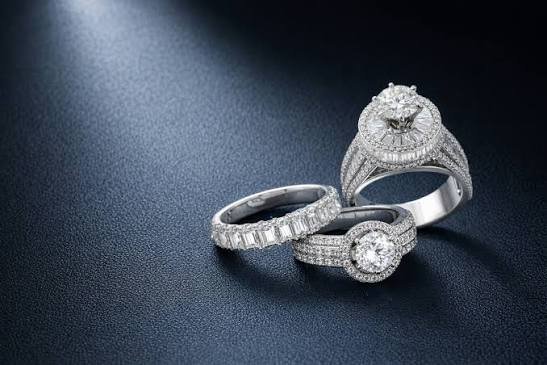
Natural diamond engagement rings remain a popular choice for couples looking for a traditional symbol of commitment. Natural diamonds are formed naturally beneath the Earth’s surface over extremely long periods of time and are valued for their appearance, rarity, and enduring place in jewelry traditions.
Choosing an engagement ring involves more than simply selecting the biggest diamond available. Buyers typically consider the diamond’s quality, shape, setting, metal, certification, budget, and overall design.
This guide explains the main things to know when shopping for a natural diamond engagement ring.
What Is a Natural Diamond?
A natural diamond is a diamond that formed through natural geological processes beneath the Earth’s surface. It is brought to the surface through mining and then cut and polished for use in jewelry.
Natural diamonds are different from laboratory-grown diamonds, which are produced using technological processes that recreate conditions under which diamonds can form.
Both can be genuine diamonds, but their origins are different. Buyers should understand this distinction when comparing engagement rings.
Why Choose a Natural Diamond Engagement Ring?
People choose natural diamonds for different reasons.
Traditional Appeal
Natural diamonds have a long history in engagement jewelry and remain strongly associated with traditional proposals and weddings.
Natural Origin
Some buyers value the fact that their diamond formed naturally rather than being created in a laboratory.
Variety
Natural diamonds are available in numerous shapes, sizes, qualities, and styles, giving shoppers many options.
Long-Term Sentimental Value
An engagement ring is often intended to be kept for many years and potentially passed down through a family. A natural diamond can therefore become part of a family’s jewelry history.
Understanding the 4Cs
One of the most important concepts when buying a natural diamond is the 4Cs: cut, color, clarity, and carat weight.
Cut
Cut describes how effectively a diamond’s proportions and facets interact with light.
A well-cut diamond can appear bright and lively because it reflects light effectively.
Cut is not the same as shape. Round, oval, pear, and other shapes describe the diamond’s outline, while cut relates to how the stone has been fashioned and how it performs visually.
Color
Traditional white diamonds are graded according to how much color they show.
For many engagement rings, buyers prefer diamonds with less visible color, but the best choice depends on personal preference and the setting.
Clarity
Clarity refers to internal characteristics and surface features known as inclusions and blemishes.
A diamond with higher clarity generally has fewer visible characteristics, although some inclusions may not be noticeable without magnification.
Carat Weight
Carat measures a diamond’s weight, not its visual size.
Two diamonds with the same carat weight can appear different in size depending on their shape and proportions.
Popular Diamond Shapes
Round
Round diamonds are one of the most traditional choices for engagement rings.
Their symmetrical shape and ability to reflect light make them popular with people seeking a classic appearance.
Oval
Oval diamonds offer an elongated silhouette while maintaining a sophisticated appearance.
Their shape can give the impression of a larger surface area compared with some other shapes of the same weight.
Princess
Princess-cut diamonds have a square or rectangular outline with sharp corners.
They provide a modern alternative to the traditional round shape.
Emerald
Emerald-cut diamonds have a rectangular shape and large step facets.
They tend to emphasize clarity and a clean, elegant appearance.
Cushion
Cushion-cut diamonds combine a square or rectangular outline with rounded corners.
They can create a softer, romantic appearance.
Pear
Pear-shaped diamonds combine features of round and marquise shapes.
They can create a distinctive look and may be worn with the point facing toward or away from the hand.
Choosing the Right Ring Setting
The setting holds the diamond in place and contributes significantly to the overall appearance.
Solitaire
A solitaire setting features one central diamond.
Its simple design keeps attention focused on the center stone and is a classic choice for engagement rings.
Halo
A halo setting surrounds the central diamond with smaller diamonds.
This can create additional sparkle and make the center stone appear more prominent.
Three-Stone
A three-stone ring includes a central diamond accompanied by two additional stones.
The design is often chosen for its symbolic meaning and balanced appearance.
Pavé
Pavé settings use small diamonds placed closely together along part of the ring.
This can create a continuous sparkling effect.
Choosing the Right Metal
Natural diamond engagement rings can be paired with several metals.
Platinum
Platinum is naturally white and is known for its durability.
It can be a good option for buyers looking for a premium metal with a classic appearance.
White Gold
White gold provides a bright appearance and is commonly used in contemporary engagement rings.
Depending on the alloy and finish, white gold may require maintenance over time.
Yellow Gold
Yellow gold provides a warm contrast against a white diamond.
It is a traditional choice that can create a classic appearance.
Rose Gold
Rose gold has a warmer pinkish tone and offers a distinctive alternative to traditional yellow or white metals.
Choosing a Diamond Certificate
A diamond grading report can provide important information about a stone’s characteristics.
Well-known gemological laboratories issue reports that describe aspects such as:
- Carat weight
- Color grade
- Clarity grade
- Measurements
- Cut information where applicable
- Proportions
- Other identifying characteristics
Before buying a significant natural diamond, review its grading documentation carefully and make sure the diamond and report correspond to each other.
How Much Do Natural Diamond Engagement Rings Cost?
Prices can vary significantly.
The cost depends on factors including:
- Carat weight
- Cut quality
- Color
- Clarity
- Diamond shape
- Natural diamond market conditions
- Ring metal
- Setting design
- Brand
- Certification
There is no universal amount that someone should spend on an engagement ring.
Instead, buyers should establish a comfortable budget before shopping and compare diamonds within that budget.
How to Choose a Natural Diamond on a Budget
A limited budget does not mean you cannot find an attractive diamond.
Consider prioritizing the characteristics that are most visible to you.
For example, some buyers may prefer a smaller diamond with excellent cut quality rather than a larger diamond with characteristics that are more noticeable.
Different diamond shapes can also provide different visual appearances at the same carat weight.
Comparing several certified diamonds can help identify the best option within a particular budget.
Natural Diamond vs. Lab-Grown Diamond
Natural and laboratory-grown diamonds have the same basic crystal structure and can both have the physical and optical characteristics associated with diamonds.
The major distinction is their origin.
Natural diamonds form through geological processes, while laboratory-grown diamonds are produced using controlled technological processes.
If natural origin is important to you, make sure the product description and grading documentation clearly identify the diamond as natural.
Buying a Natural Diamond Engagement Ring Online
Buying online can provide access to a large selection, but careful research is important.
Before purchasing, check:
- Diamond certification
- Exact carat weight
- Cut and proportions
- Color and clarity grades
- Ring size
- Metal type
- Return policy
- Warranty or service options
- Seller reputation
Read the full product description rather than relying only on photographs.
How to Care for a Diamond Engagement Ring
Although diamonds are extremely hard, the ring still requires care.
Remove the ring when appropriate to avoid unnecessary exposure to chemicals, impacts, or activities that could damage the setting.
Clean the ring according to the jeweler’s recommendations and have the setting inspected periodically to ensure the diamond remains secure.
When not wearing the ring, store it safely and separately from jewelry that could scratch its metal or setting.
Frequently Asked Questions
Are natural diamonds real diamonds?
Yes. Natural diamonds are diamonds formed through natural geological processes.
What is the most important of the 4Cs?
For many buyers, cut is particularly important because it can strongly influence a diamond’s brightness and visual appearance. However, priorities depend on personal preferences and budget.
Are natural diamond engagement rings expensive?
They can range from relatively affordable options to very expensive pieces. Price depends on the diamond’s characteristics, ring design, brand, and other factors.
Should a natural diamond have a certificate?
For a significant purchase, an independent grading report from a reputable gemological laboratory can provide useful information about the diamond’s characteristics.
Can natural diamonds be passed down as heirlooms?
Yes. With proper care, a natural diamond engagement ring can potentially remain in a family for generations.
Conclusion
Natural diamond engagement rings combine traditional symbolism with a wide variety of designs and customization options. Buyers can choose from different diamond shapes, sizes, settings, metals, and quality grades to create a ring that suits their preferences and budget.
Understanding the 4Cs, reviewing independent grading documentation, choosing a suitable setting, and purchasing from a reputable seller are important steps in the buying process.
Rather than focusing only on carat size or price, consider the overall appearance, quality, durability, and personal meaning of the ring. A thoughtfully chosen natural diamond engagement ring can become a memorable piece of jewelry with sentimental value for many years.