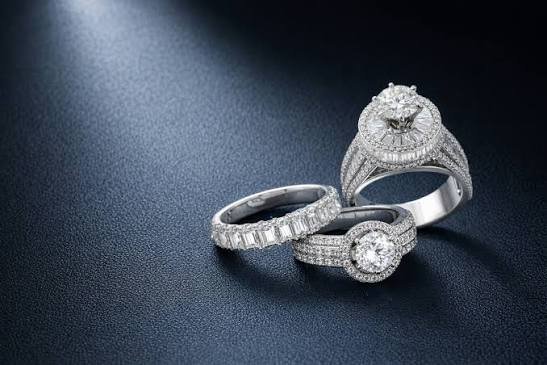









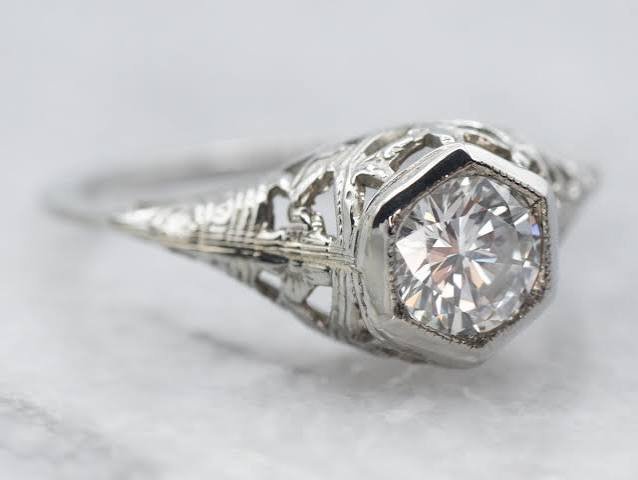
Art Deco engagement rings are known for their geometric shapes, elegant symmetry, intricate details, and vintage-inspired appearance. The Art Deco movement became especially influential during the 1920s and 1930s, influencing architecture, fashion, jewelry, and decorative arts.
Today, Art Deco engagement rings remain popular among people who appreciate vintage aesthetics but still want a distinctive and sophisticated piece of jewelry. Designs often feature geometric patterns, contrasting gemstones, detailed metalwork, and diamonds arranged in symmetrical compositions.
Whether you are searching for an authentic vintage ring or a modern ring inspired by the Art Deco period, understanding the characteristics of this style can help you find the right design.
What Are Art Deco Engagement Rings?
Art Deco engagement rings are jewelry pieces influenced by the Art Deco design movement, which became prominent in the early twentieth century.
Unlike softer and more nature-inspired jewelry styles, Art Deco designs tend to emphasize structure and geometry. Straight lines, sharp angles, symmetry, and repeating patterns are common characteristics.
Many Art Deco rings feature diamonds as the central focus, sometimes combined with other gemstones or contrasting metal details.
History of Art Deco Jewelry
The Art Deco movement developed during the early twentieth century and became particularly influential during the 1920s and 1930s.
Jewelry designers of the period were influenced by architecture, industrial design, travel, and artistic movements. These influences appeared in jewelry through geometric shapes and carefully arranged decorative elements.
The style became associated with glamour and modernity. Its distinctive appearance continues to influence contemporary jewelry designers.
Key Features of Art Deco Engagement Rings
Geometric Designs
Geometry is one of the defining characteristics of Art Deco jewelry.
Rings may include:
- Rectangles
- Squares
- Triangles
- Circles
- Straight lines
- Repeating patterns
These shapes can be incorporated into the setting, band, or arrangement of gemstones.
Symmetry
Art Deco jewelry frequently emphasizes balance and symmetry.
A central diamond may be surrounded by smaller stones arranged evenly on both sides.
This creates a structured appearance that is immediately recognizable.
Intricate Details
Many Art Deco-inspired rings feature detailed metalwork and carefully arranged gemstones.
Millegrain edges, engraved patterns, and delicate geometric details can add depth to the design.
Contrasting Colors
Art Deco jewelry can include contrasting gemstones and metals.
White diamonds may be paired with darker gemstones or colored accents to create visual contrast.
Popular Diamond Shapes for Art Deco Rings
Emerald Cut
Emerald-cut diamonds are particularly well suited to Art Deco-inspired designs because of their rectangular shape and step-cut facets.
Their clean lines complement the geometric character of the style.
Asscher Cut
Asscher-cut diamonds have a square outline and step-cut faceting.
Their symmetrical structure makes them another natural match for Art Deco designs.
Old European Cut
Authentic vintage rings from the Art Deco era may feature older diamond cuts, including Old European cuts.
These diamonds have a different appearance from many modern brilliant cuts and can contribute to an authentic vintage aesthetic.
Round Diamonds
Round diamonds can also appear in Art Deco rings, particularly as smaller accent stones surrounding a central gemstone.
Popular Gemstones in Art Deco Rings
Although diamonds are common, Art Deco jewelry can feature various gemstones.
Sapphire
Blue sapphire is frequently associated with vintage-inspired engagement rings and can provide a strong contrast against white diamonds.
Emerald
Emeralds offer a rich green color and can create a dramatic appearance.
Ruby
Rubies provide a vibrant red accent and can work particularly well in geometric designs.
Onyx
Black onyx can create strong contrast with diamonds and white metals, emphasizing the graphic character of Art Deco jewelry.
Art Deco Ring Settings
Halo Setting
A halo arrangement places smaller stones around the center diamond.
An Art Deco halo may have angular or geometric edges rather than a perfectly rounded outline.
Cluster Setting
Cluster settings use multiple gemstones arranged closely together.
They can create a larger overall visual effect while maintaining a vintage-inspired appearance.
Three-Stone Setting
A three-stone design can be adapted to the Art Deco aesthetic by using geometric side stones or detailed metalwork.
Bezel Setting
A bezel setting surrounds the stone with metal.
This can create a clean, structured appearance that works well with geometric Art Deco designs.
Choosing the Right Metal
Art Deco rings can be made using several metals.
Platinum
Platinum was widely used in high-quality jewelry during the Art Deco period and remains a popular choice for vintage-inspired rings.
Its naturally white appearance works particularly well with diamonds.
White Gold
White gold can provide a similar bright appearance while offering a different price point depending on the design and construction.
Yellow Gold
Yellow gold can create a warmer appearance and is sometimes used in vintage and vintage-inspired designs.
Vintage vs. Art Deco-Inspired Rings
There is an important distinction between an authentic Art Deco ring and a modern ring inspired by Art Deco.
Authentic Vintage Ring
An authentic Art Deco ring was actually made during the Art Deco period.
These rings may have historical significance and unique craftsmanship.
However, older jewelry can require additional care, and the condition of the setting should be examined carefully before purchasing.
Art Deco-Inspired Ring
A modern Art Deco-inspired ring is newly manufactured but uses design characteristics associated with the period.
This option can provide the appearance of vintage jewelry while offering modern construction and potentially easier maintenance.
How to Choose an Art Deco Engagement Ring
When shopping for an Art Deco engagement ring, consider the overall design rather than focusing only on the center stone.
Look at:
- Diamond shape
- Gemstone colors
- Metal
- Symmetry
- Engraving
- Setting style
- Band design
- Condition
- Certification for valuable gemstones
For an authentic vintage ring, provenance and condition may also be important.
Buying Vintage Art Deco Rings
Buying a vintage ring requires additional attention.
Inspect the ring for signs of wear, particularly around the gemstone settings and band.
Ask the seller about:
- Approximate age
- Originality
- Repairs
- Resizing
- Gemstone replacement
- Previous restoration
- Documentation
For an expensive vintage ring, independent evaluation by a qualified jewelry professional can provide additional reassurance.
How to Care for an Art Deco Engagement Ring
Vintage rings may require more careful handling than modern jewelry.
Avoid exposing the ring unnecessarily to harsh chemicals or strong impacts.
Store it safely when not being worn and clean it using methods appropriate for its specific gemstones and metal.
If the ring is antique or particularly delicate, professional cleaning may be preferable to aggressive home cleaning.
Regular inspections can also help identify loose stones or worn settings.
Are Art Deco Engagement Rings a Good Choice?
Art Deco engagement rings can be an excellent option for someone who wants a distinctive style with historical inspiration.
They are especially appealing to people who enjoy:
- Vintage fashion
- Geometric designs
- Symmetry
- Detailed craftsmanship
- Unique jewelry
- Colored gemstones
- Historical design
Because the style is distinctive, it can also be a good alternative to more traditional engagement-ring designs.
Frequently Asked Questions
What makes an engagement ring Art Deco?
Geometric shapes, symmetry, intricate details, contrasting colors, and structured designs are among the defining characteristics.
Are Art Deco rings vintage?
Some are authentic vintage rings from the 1920s and 1930s, while others are modern designs inspired by the Art Deco movement.
What diamond shape is best for an Art Deco ring?
Emerald and Asscher cuts are particularly well suited to Art Deco designs, although many other diamond shapes can work.
Are Art Deco engagement rings expensive?
Prices vary significantly depending on whether the ring is vintage or modern, as well as the diamonds, gemstones, metal, craftsmanship, brand, and condition.
Can Art Deco rings have colored gemstones?
Yes. Sapphires, emeralds, rubies, and other gemstones can be used to add contrast and color.
Conclusion
Art Deco engagement rings offer a distinctive combination of geometric design, symmetry, elegance, and vintage character. Their influence from the 1920s and 1930s gives them a historical connection, while modern interpretations make the style accessible to today’s buyers.
Whether you choose an authentic vintage ring or a newly made Art Deco-inspired design, pay attention to the diamond or gemstone quality, setting, metal, craftsmanship, and overall condition.
For anyone looking for an engagement ring that feels different from a conventional design, an Art Deco ring can provide a sophisticated and memorable choice.