









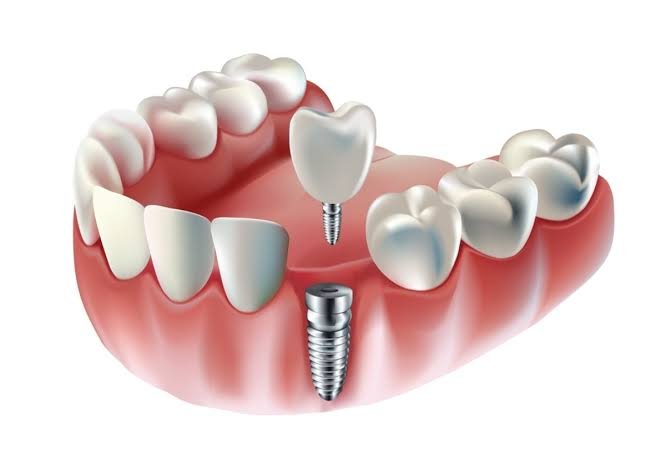
A dental implant procedure is a treatment used to replace a missing tooth with an artificial tooth that is supported by a dental implant. Unlike a traditional removable denture, a dental implant is placed into the jawbone and can provide a stable foundation for a replacement tooth.
The process usually involves several stages, including an initial dental examination, implant placement, healing, and attachment of the replacement tooth. The exact treatment plan varies depending on the patient’s oral health, bone condition, and number of missing teeth.
What Is a Dental Implant?
A dental implant is a small post, commonly made from titanium or another suitable material, that is placed into the jawbone. It acts as an artificial tooth root.
Once the implant has healed and integrated with the surrounding bone, a connector called an abutment can be attached. A dental crown is then placed on top to create the visible replacement tooth.
A complete implant-supported tooth generally consists of:
- Implant
- Abutment
- Dental crown
Who May Need Dental Implants?
Dental implants may be considered for people who have lost one or more teeth because of decay, injury, gum disease, or other causes.
A dentist or oral health professional needs to evaluate each person individually. Factors such as gum health, jawbone condition, general health, oral hygiene, and smoking can influence whether implants are suitable.
The Dental Implant Procedure
1. Initial Consultation
The procedure begins with a dental examination.
The dentist evaluates the teeth and gums and may use dental X-rays or three-dimensional imaging to examine the jawbone and determine where an implant could be placed.
The dentist will also discuss medical history, medications, existing dental problems, and treatment goals.
2. Treatment Planning
After the examination, the dental team develops an individualized treatment plan.
The plan may involve replacing one tooth, several teeth, or supporting a full set of replacement teeth.
If there is not enough suitable bone in the intended implant area, additional procedures may sometimes be considered before implant placement.
3. Tooth Removal When Necessary
If a damaged or non-restorable tooth is still present, it may need to be removed before or as part of the implant treatment.
The timing depends on the condition of the tooth and surrounding tissues.
4. Implant Placement
During implant placement, the dental professional creates a suitable space in the jawbone and places the implant.
Local anesthesia is commonly used, although the type of anesthesia or sedation depends on the procedure and the patient’s needs.
After placement, the implant needs time to heal.
5. Healing and Osseointegration
One of the most important stages is osseointegration.
During this period, the jawbone gradually bonds with the implant surface, helping create a stable foundation for the replacement tooth.
Healing times vary from person to person and depend on factors such as bone quality, implant location, and the complexity of treatment.
6. Abutment Placement
After the implant has sufficiently healed, an abutment may be attached.
In some treatment plans, the abutment is placed during the initial implant surgery rather than during a separate procedure.
The abutment connects the implant to the dental crown or another replacement restoration.
7. Dental Crown Placement
Once the tissues have healed and the dental team confirms that the implant is ready, the replacement crown is attached.
The crown is designed to fit the patient’s bite and resemble a natural tooth in shape and appearance.
How Long Does a Dental Implant Procedure Take?
A dental implant treatment is usually a process rather than a single appointment.
The overall timeline can range from several months to longer, depending on the individual’s circumstances. Healing time is an important part of the process.
People who require additional procedures, such as bone grafting, may have a longer treatment timeline.
The dentist can provide a more accurate estimate after examining the patient’s mouth and developing a treatment plan.
Is Dental Implant Surgery Painful?
Dental implant placement is performed using anesthesia to help control discomfort during the procedure.
After treatment, some people may experience temporary soreness, swelling, or sensitivity. A dental professional can provide aftercare instructions and explain appropriate ways to manage discomfort.
Patients should follow their dentist’s instructions rather than relying on general online advice.
Recovery After Dental Implant Surgery
Recovery varies between individuals.
A dentist may recommend specific instructions regarding eating, cleaning the mouth, physical activity, and follow-up appointments.
Good oral hygiene is important throughout the healing period. Patients should also attend scheduled follow-up appointments so the dental team can monitor healing.
If unusual or worsening symptoms occur, contacting the dental professional promptly is important.
Benefits of Dental Implants
Stability
Dental implants can provide a stable foundation for replacement teeth because the implant is anchored in the jawbone.
Natural Appearance
Modern dental crowns can be designed to closely resemble natural teeth.
Support for Chewing
A properly restored implant can help restore chewing function after tooth loss.
No Need for Traditional Clasps
For an individual tooth replacement, an implant-supported crown does not require the type of visible clasp sometimes used with removable partial dentures.
Long-Term Oral Care
With appropriate professional care and good oral hygiene, dental implants can provide a long-lasting tooth-replacement option.
Dental Implants vs. Other Tooth-Replacement Options
Dental implants are one of several ways to replace missing teeth.
Dental bridges use neighboring teeth or implants to support an artificial tooth.
Dentures are removable appliances that can replace several or all missing teeth.
Implants can also be used to support bridges or dentures in certain treatment plans.
The most suitable option depends on factors such as oral health, bone condition, budget, treatment goals, and personal preferences.
Caring for Dental Implants
Although an implant itself cannot develop tooth decay, the surrounding gums and natural teeth still require proper care.
Patients should:
- Brush regularly
- Clean between teeth as recommended
- Attend regular dental checkups
- Follow professional cleaning recommendations
- Maintain good oral hygiene
- Follow specific instructions from their dental team
Professional monitoring is important because problems involving the gums or implant can affect the long-term outcome.
Potential Risks and Complications
Dental implant treatment is generally considered a well-established tooth-replacement procedure, but like other medical or dental procedures, it has potential risks.
Possible complications can include infection, problems with healing, damage to nearby structures, implant failure, or inflammation around the implant.
The risk depends on individual circumstances and treatment factors.
A dentist should explain the potential benefits and risks before treatment begins.
How Much Does a Dental Implant Cost?
The cost of a dental implant procedure varies significantly.
Factors that can affect the total price include:
- Number of implants
- Type of implant
- Dental crown material
- Location of the dental practice
- Imaging and examination costs
- Additional procedures
- Bone grafting requirements
- Anesthesia or sedation
Because pricing varies, patients should request a complete treatment estimate from their dental provider.
Frequently Asked Questions
What is a dental implant procedure?
It is a treatment in which a dental implant is placed into the jawbone to support a replacement tooth or another dental restoration.
How long does a dental implant take?
The overall process commonly takes several months because the implant needs time to heal and integrate with the jawbone. Individual timelines vary.
Can anyone get dental implants?
Not everyone is immediately suitable for implants. A dentist needs to evaluate bone, gum health, oral hygiene, medical history, and other factors.
How long do dental implants last?
Dental implants can last many years with appropriate care, but their longevity varies according to oral hygiene, health, implant position, lifestyle factors, and professional maintenance.
Are dental implants better than dentures?
Neither option is universally better. Implants and dentures have different advantages and limitations. A dental professional can help determine which option fits an individual’s needs.
Conclusion
The dental implant procedure is a multi-stage treatment designed to replace missing teeth with stable, functional restorations. It generally involves consultation and planning, implant placement, a healing period, and attachment of an abutment and replacement tooth.
Because every patient has different dental and medical circumstances, treatment should always be planned by a qualified dental professional. Proper oral hygiene, regular dental visits, and following professional aftercare instructions can help support a successful long-term result.