









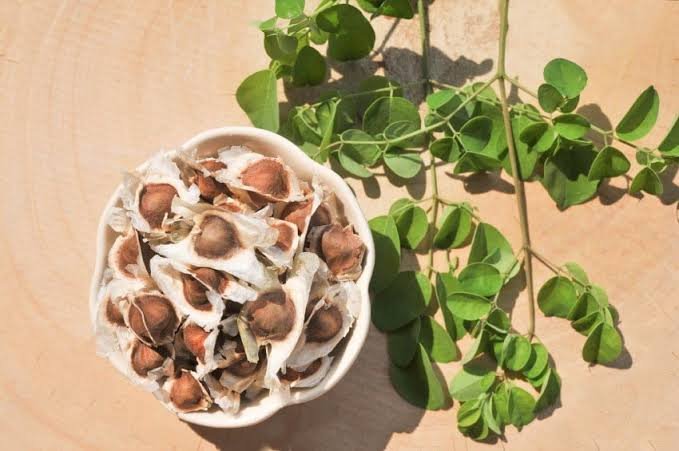
Moringa seeds come from the moringa tree, scientifically known as Moringa oleifera. The tree is sometimes called the drumstick tree because of its long, narrow seed pods. Moringa is a multipurpose plant that is widely grown in tropical and subtropical regions.
The seeds are interesting because they can be used for planting, oil production, food applications, and some traditional water-treatment purposes. Moringa seeds also contain a significant amount of oil, making them useful for both food and other products.
What Are Moringa Seeds?
Moringa seeds develop inside the long pods produced by the moringa tree. When the pods mature and become dry, they open and release the seeds.
The seeds are generally round and have three papery, wing-like structures. According to FAO information, mature moringa seeds contain a substantial amount of edible oil.
Moringa can be propagated from seeds or cuttings, making seeds a practical way to start new plants.
What Do Moringa Seeds Look Like?
Moringa seeds are usually relatively small, rounded seeds surrounded by thin wing-like structures. They develop inside long pods that can reach considerable lengths.
As the pod matures, its color changes and the pod eventually opens, allowing the seeds to be collected.
For planting, healthy, mature seeds are generally preferred because their quality can affect germination and early plant development.
Uses of Moringa Seeds
Moringa seeds have several documented uses.
Growing New Moringa Trees
One of the most common uses of moringa seeds is propagation. Seeds can be planted directly in suitable soil or started in containers before being moved outdoors.
FAO describes moringa as a plant that can be propagated from seed, either in a nursery or directly in the field.
Moringa Seed Oil
Moringa seeds contain a large amount of oil. The oil is sometimes known as ben oil and has been used for cooking, cosmetics, and other applications.
FAO sources report that moringa seed oil contains a high proportion of oleic acid and has good resistance to rancidity.
Water Clarification
Moringa seeds have also been studied for their ability to help clarify turbid water. Compounds in seed material can act as natural flocculants, helping suspended particles come together and settle.
However, this should not be confused with making unsafe water automatically safe to drink. Proper drinking-water treatment and disinfection remain important. FAO sources describe moringa seeds as having potential for water clarification while also noting the need for further investigation in some applications.
Moringa Seeds and Nutrition
Moringa is widely valued as a nutritious plant, although different parts of the plant have different nutritional profiles.
Recent research summarized through FAO AGRIS reports that moringa seeds contain oil, protein, and carbohydrates, although their composition can vary according to geographical origin.
Moringa leaves and pods are also commonly used as food in regions where the plant is cultivated. FAO describes leaves and pods as vegetables and notes their nutritional contribution.
It is important not to assume that every health claim made online about moringa seeds has been scientifically established. Moringa should not be treated as a replacement for medical treatment.
How to Grow Moringa From Seeds
Moringa is known as a fast-growing tree that performs well in warm conditions. It prefers sunlight and well-drained soil and has some drought tolerance once established.
1. Choose Good Seeds
Start with mature, healthy seeds from a reliable source. Avoid seeds that appear damaged, moldy, or badly stored.
Seed quality can influence germination and early growth.
2. Choose a Suitable Location
Moringa generally prefers a warm, sunny location.
The soil should drain well because moringa does not perform well in waterlogged conditions. FAO sources describe moringa as tolerant of a range of soils but emphasize the importance of good drainage.
3. Plant the Seeds
Moringa seeds can be started in containers or planted directly into suitable soil.
Recent propagation research reported that soaking seeds for around 12 hours reduced the average germination time in the study, although results can vary with growing conditions and seed quality.
4. Provide Moisture Without Waterlogging
Newly planted seeds need suitable moisture for germination. However, the soil should not remain excessively wet.
Too much standing water can damage roots and make successful establishment more difficult.
5. Give the Plant Plenty of Sunlight
Moringa is a warm-climate plant and generally performs well in full sunlight.
Once established, it can tolerate relatively dry conditions, although adequate water and suitable growing conditions can support better growth.
How Long Does Moringa Take to Grow?
Moringa is considered a fast-growing tree under favorable conditions. FAO sources report that foliage can be harvested in less than a few months under suitable cultivation systems, while trees grown for pods may take longer.
Growth speed depends on temperature, soil, moisture, sunlight, planting method, and general care.
Best Conditions for Moringa Seeds
Moringa generally performs well in warm climates.
Important growing conditions include:
- Warm temperatures
- Plenty of sunlight
- Well-drained soil
- Adequate moisture during establishment
- Protection from prolonged waterlogging
- Sufficient space for the mature plant
FAO reports that moringa grows particularly well in warm conditions and can tolerate drought once established.
Moringa Seeds for Home Gardening
Moringa can be an interesting option for a home garden in a suitable warm climate.
Before planting, consider the eventual size of the tree. Moringa can become a fairly large plant if it is allowed to grow naturally, although regular pruning can help keep it at a more manageable size.
For smaller gardens, container growing may be an option depending on local conditions and the variety being grown.
Storing Moringa Seeds
Proper storage can help protect seeds before planting.
Mature seeds should be kept dry and protected from excessive moisture. FAO guidance notes that mature pods can be harvested, dried, and separated into seeds, with the seeds dried properly before storage.
A cool, dry storage environment can help reduce problems associated with moisture and poor seed quality.
Moringa Seeds vs. Moringa Leaves
Seeds and leaves are different parts of the same plant and have different uses.
Moringa leaves are commonly used as a vegetable or processed into other food products. Seeds are more commonly associated with propagation, oil production, and water-clarification research.
Therefore, information about the nutritional properties of moringa leaves should not automatically be applied to moringa seeds.
Are Moringa Seeds Easy to Grow?
Moringa can be relatively easy to establish in warm climates when the seeds are healthy and the soil drains properly.
However, successful germination and plant growth still depend on environmental conditions. Cold temperatures, excessive water, poor drainage, and unsuitable soil can make cultivation more difficult.
Final Thoughts
Moringa seeds are an important part of the moringa tree’s life cycle and have several practical uses. They can be planted to grow new trees, processed for oil, and have been studied for their potential role in water clarification.
Moringa grows particularly well in warm climates with plenty of sunlight and well-drained soil. With appropriate conditions, it can develop quickly and become a productive multipurpose tree.
For gardeners, starting with good-quality seeds and providing suitable growing conditions are important steps toward establishing a healthy moringa plant.
Frequently Asked Questions
What are moringa seeds?
Moringa seeds are the seeds of Moringa oleifera, a multipurpose tree commonly grown in tropical and subtropical regions.
Can you grow moringa from seeds?
Yes. Moringa can be propagated from seeds, either directly in the ground or in containers.
Do moringa seeds need sunlight?
Moringa is a warm-climate plant that generally performs well with plenty of sunlight.
Can moringa seeds be used for water purification?
Moringa seeds have compounds that can help clarify turbid water, and this has been studied as a natural flocculation method. However, clarification does not necessarily make water safe to drink, so proper water treatment is still important.
What are moringa seeds used for?
They can be used for growing new trees, producing oil, and certain food and environmental applications.
What soil is best for moringa?
Moringa generally prefers well-drained soil and does not tolerate prolonged waterlogging well.