








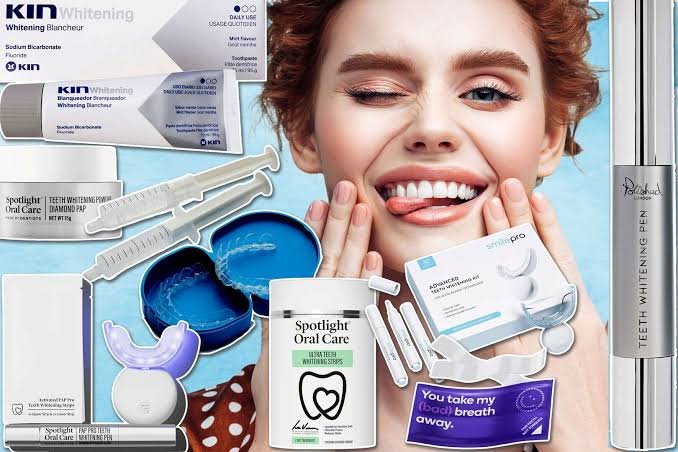
A bright smile is often associated with good oral hygiene, which is why whitening toothpaste has become a popular choice for people who want their teeth to look cleaner and brighter. With so many products available, however, choosing the best teeth whitening toothpaste can be confusing. Different formulas are designed for different purposes, including removing surface stains, protecting against cavities, supporting sensitive teeth, and maintaining everyday oral hygiene.
It is important to understand that whitening toothpaste generally works differently from professional whitening treatments. According to the American Dental Association (ADA), whitening toothpastes primarily help remove extrinsic, or surface, stains from enamel. These stains can come from foods and drinks such as coffee, tea, cola, and other strongly colored products. Whitening toothpaste usually does not dramatically change the natural color of teeth.
This guide explains how whitening toothpaste works, what ingredients to look for, how to choose a suitable product, and what to expect from regular use.
What Is Whitening Toothpaste?
Whitening toothpaste is a toothpaste formulated with ingredients that help reduce visible staining on teeth. Many whitening formulas contain mild abrasive ingredients that help polish away stains accumulated on the outer surface of the enamel.
Some whitening toothpastes may also contain peroxide-based ingredients that can contribute to whitening. However, toothpaste generally provides a more limited whitening effect than dedicated whitening treatments because it remains on the teeth for a relatively short time during brushing.
The main purpose of many whitening toothpastes is therefore to make teeth look cleaner and brighter by reducing surface discoloration.
How Does Whitening Toothpaste Work?
Whitening toothpaste can work through several mechanisms.
Removing Surface Stains
One of the main methods is mechanical stain removal. Abrasive ingredients such as certain forms of silica can help remove stains from the enamel surface during brushing. The ADA notes that these ingredients can help whiten teeth by physically removing surface stains.
Peroxide Ingredients
Some whitening toothpastes contain low levels of peroxide. Peroxide can help lighten certain types of discoloration, although whitening toothpaste is generally less powerful than professional or dedicated bleaching treatments.
Maintaining a Brighter Appearance
Regular brushing can help prevent new surface stains from accumulating. This means a whitening toothpaste can be useful as part of an everyday oral-care routine even when dramatic whitening is not the goal.
What Should You Look for in the Best Whitening Toothpaste?
The best product depends on your individual needs. There is no single toothpaste that is automatically best for everyone.
Fluoride
Fluoride is one of the most important ingredients to consider in an everyday toothpaste. The ADA states that toothpastes with an ADA Seal of Acceptance for cavity protection must contain fluoride. Fluoride helps protect teeth against cavities and supports enamel health.
For that reason, someone choosing a whitening toothpaste should not focus only on its whitening claims. Cavity protection remains an important part of everyday oral care.
Whitening Ingredients
Look for ingredients intended to remove or reduce surface stains. Depending on the product, these may include polishing agents or peroxide.
Sensitivity Considerations
Some people experience tooth sensitivity or gum irritation when using whitening products. If you have sensitive teeth, choosing a gentler formula and discussing your options with a dentist can be helpful.
ADA Seal of Acceptance
For products sold in markets covered by the ADA program, the ADA Seal of Acceptance can provide additional reassurance because products must meet specified requirements for safety and effectiveness. The ADA maintains separate categories for toothpaste intended to help remove tooth surface stains.
Popular Whitening Toothpaste Options
Several established brands offer whitening formulas. Product availability and formulas can vary by country, so it is important to check the packaging and current product information where you live.
Colgate Optic White
Colgate Optic White is a well-known whitening toothpaste range. Some formulations use peroxide alongside fluoride and are designed to help reduce stains and brighten teeth.
Healthline has listed Colgate Optic White as one of its whitening toothpaste picks and notes its ADA acceptance for a particular formulation.
Crest 3D White
Crest 3D White is another widely recognized whitening toothpaste range. Products in the range are designed around stain removal and maintaining a brighter-looking smile.
Sensodyne Whitening
For people concerned about sensitivity, whitening products specifically formulated for sensitive teeth may be worth considering. Sensodyne offers whitening toothpaste options designed to combine everyday oral care with stain removal.
Burt’s Bees Whitening Toothpaste
Burt’s Bees also offers a whitening toothpaste. The ADA lists Burt’s Bees Whitening Toothpaste as an accepted product for helping prevent tooth decay when used as directed.
Whitening Toothpaste vs Professional Whitening
Whitening toothpaste and professional whitening treatments should not be considered identical.
Whitening toothpaste primarily helps with surface stains. Professional whitening procedures can use stronger bleaching methods to change the appearance of deeper discoloration.
The ADA explains that whitening toothpastes are mainly effective for extrinsic stains and generally do not significantly change the intrinsic color of a tooth.
This means expectations are important. If your teeth have naturally darker coloring or discoloration that comes from inside the tooth, simply switching toothpaste may not produce a dramatic change.
Can Whitening Toothpaste Remove Coffee and Tea Stains?
Whitening toothpaste can help reduce some surface staining caused by strongly colored foods and beverages.
Coffee and tea are common sources of extrinsic tooth staining. The ADA identifies beverages such as coffee, tea, cola, and red wine among factors associated with external tooth discoloration.
However, the amount of improvement depends on how severe the staining is and how consistently oral hygiene is maintained.
Is Whitening Toothpaste Safe?
Whitening toothpaste can generally be used as directed, but individual formulas differ.
Some whitening products can be more abrasive than regular toothpaste, while peroxide-containing products may cause sensitivity or irritation in some people. The ADA notes that whitening products can have side effects such as sensitivity and oral irritation.
Following the product’s instructions is important. If brushing with a whitening toothpaste causes persistent pain, irritation, or unusual sensitivity, it is a good idea to stop using it and speak with a dentist.
Whitening Toothpaste for Sensitive Teeth
People with sensitive teeth should be particularly careful when selecting whitening products.
A whitening toothpaste designed for sensitive teeth may be more comfortable than a stronger whitening formula. Some sensitivity toothpastes contain ingredients intended to help reduce sensitivity while still providing everyday cleaning.
However, persistent sensitivity should not simply be treated as a cosmetic issue. It can sometimes be associated with dental problems that require professional evaluation.
Why Fluoride Still Matters
Whitening should not be the only consideration when choosing toothpaste.
A toothpaste that helps protect against cavities can be more valuable for everyday oral health than one that focuses entirely on cosmetic whitening. The ADA emphasizes fluoride as an important component of cavity-protection toothpaste.
Therefore, when comparing whitening products, consider both their cosmetic benefits and their role in basic dental hygiene.
How to Get Better Results From Whitening Toothpaste
Good brushing habits are important regardless of which toothpaste you choose.
Brush regularly using a soft-bristled toothbrush and follow the toothpaste manufacturer’s instructions. Cleaning between teeth is also an important part of oral hygiene because brushing alone does not reach every area effectively.
Regular dental checkups can also help identify plaque, tartar, cavities, or other causes of discoloration.
A whitening toothpaste works best as part of an overall oral-care routine rather than as a standalone solution.
Common Mistakes to Avoid
Expecting Instant Whitening
Whitening toothpaste usually does not create dramatic overnight results. Its main benefit is gradual removal of surface stains.
Using Too Much Pressure
Aggressive brushing does not necessarily make teeth whiter. Excessive brushing pressure can irritate the gums and may contribute to enamel wear.
Ignoring Tooth Sensitivity
If a whitening product repeatedly causes discomfort, continuing to use it without addressing the problem is not a good idea.
Focusing Only on Appearance
Healthy teeth are more important than achieving a particular shade of white. Cavity prevention, gum health, and regular dental care should remain priorities.
Frequently Asked Questions
What is the best teeth whitening toothpaste?
There is no single best toothpaste for everyone. A good option should provide appropriate cavity protection, effectively address surface stains, and suit your individual sensitivity and oral-care needs.
Does whitening toothpaste actually whiten teeth?
Yes, but primarily by removing surface stains. The ADA explains that whitening toothpaste generally has limited effect on intrinsic tooth color.
How long does whitening toothpaste take to work?
Results vary by product and the amount of staining. Whitening toothpaste generally works gradually rather than producing dramatic immediate changes.
Can whitening toothpaste damage enamel?
Products vary in their abrasiveness. It is important to use toothpaste as directed and avoid aggressive brushing. If you experience persistent sensitivity or irritation, consult a dentist.
Is fluoride important in whitening toothpaste?
Yes. Fluoride is important for cavity protection, and the ADA states that ADA-accepted cavity-protection toothpastes must contain fluoride.
Conclusion
Finding the best teeth whitening toothpaste depends on more than simply choosing the product with the strongest whitening claim. A good toothpaste should fit your everyday oral-care needs while helping reduce unwanted surface stains.
Whitening toothpastes primarily work by polishing away external stains, and some formulas also contain ingredients such as peroxide that can contribute to whitening. They can be particularly useful for reducing stains associated with foods and drinks such as coffee and tea. However, they generally cannot dramatically change the natural color of teeth or replace professional whitening treatments.
When choosing a whitening toothpaste, look for appropriate fluoride protection, consider your sensitivity level, check the ingredients, and where applicable consider products carrying the ADA Seal of Acceptance. Most importantly, remember that a healthy mouth is more important than achieving a specific shade of white.
With consistent brushing, cleaning between teeth, sensible product selection, and regular dental care, whitening toothpaste can be a useful part of maintaining a clean and brighter-looking smile.